This site uses Cookies that are required for the technical operation of the website and are always set. Other cookies that increase convenience when using this website, are used for direct advertising or are intended to simplify interaction with other websites and social networks are only set with your consent.
Cookies that increase the comfort of using this website, are used for direct advertising or are intended to simplify interaction with other websites and social networks are only set with your consent. More information
REJECT ACCEPT ALLGel polish manicures have long become a familiar procedure, but behind the external beauty lies a multitude of nuances. The foundation of any long-lasting coating is the base coat. The appearance of the nails as well as their health depend on how correctly the materials are chosen and the technique is followed. Both beginners and experienced technicians sometimes make annoying mistakes, causing the manicure to lose its neat look within just a few days.
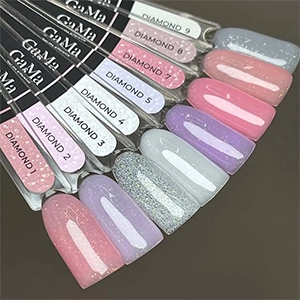
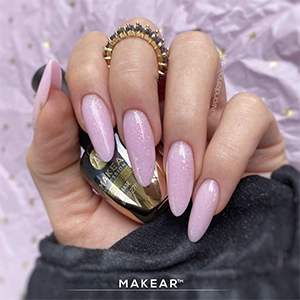

Many people wonder why this intermediate layer between the nail plate and the color is even necessary. The main task of the base is to ensure reliable adhesion, meaning the bonding of the artificial material to the natural nail. The nail plate is living, contains moisture and oils, and secretes sweat, whereas gel polish is a polymer chemistry that cannot securely cling to a smooth surface on its own.
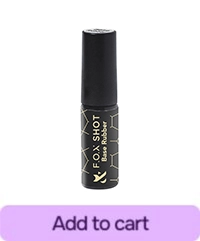
Aside from adhesion, a quality base performs a protective function. Pigments from colored gel polishes can penetrate the keratin of the nail, staining it yellowish or bluish. The base coat takes the hit. The modern market offers many varieties of such coatings. For example, a classic transparent base suits most standard nails, while a rubber base, due to its elasticity, is ideal for strengthening flexible, thin nails and creating a perfect apex.
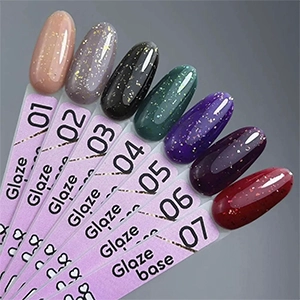
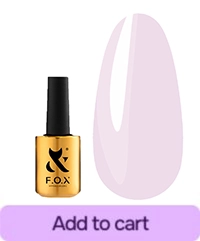
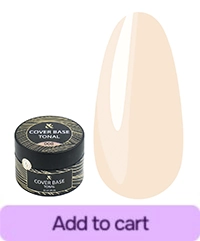
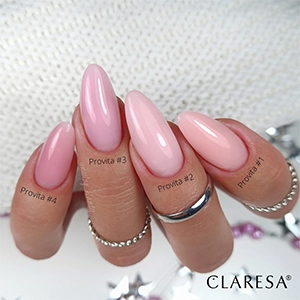
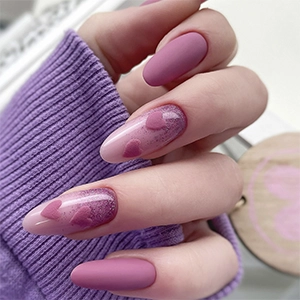
For trend lovers, there is a matte base on nails that immediately yields a velvety finish for nail art or standalone wear. When you need to mask minor imperfections of the nail bed without overloading the manicure with dense color, a milky base on nails comes to the rescue, creating a soft translucent gradient or delicate nude effect.
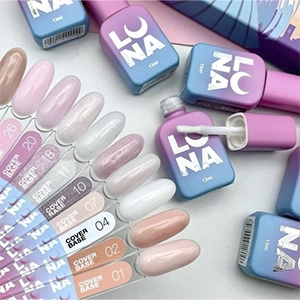
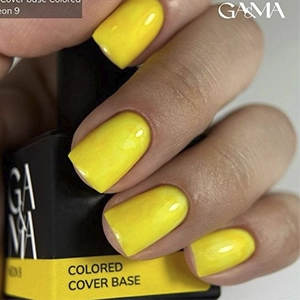
Even the most expensive professional material will not save the situation if the application technology is violated. Mistakes happen at various stages: from preparation to curing.
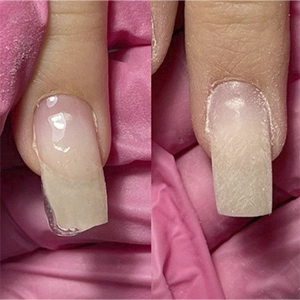
To keep clients' coatings happy for weeks, it is important to strictly follow the step-by-step technology.
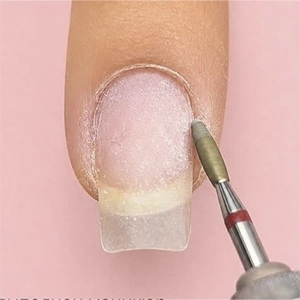
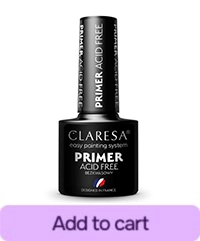
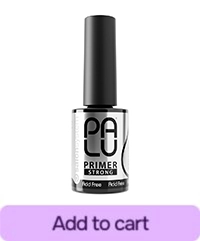
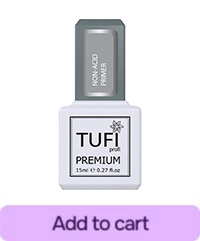
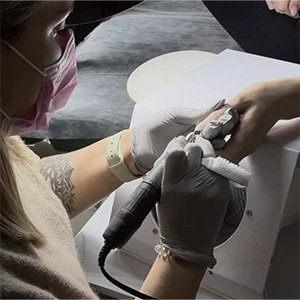
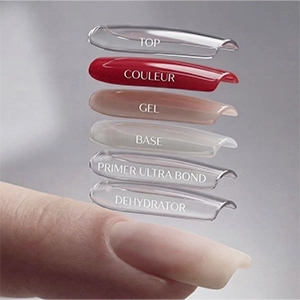
First, standard preparation is performed: shaping, lifting and neatly trimming the cuticles, thorough removal of the pterygium. Then a buffer or high-abrasive file removes only the top gloss of the nail — thinning the plate is prohibited. After that, a dehydrator is applied to dry out the surface, followed by an acid-free primer (ultrabond) for maximum adhesion.
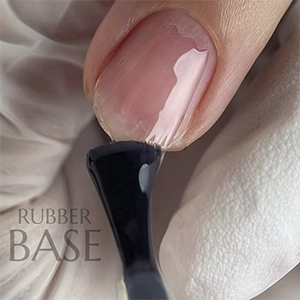
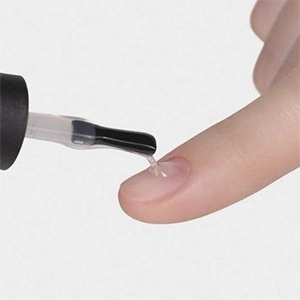
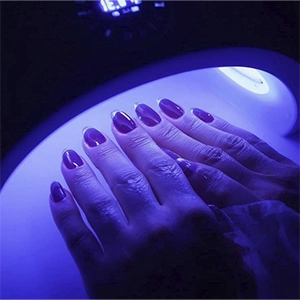
Now we move on to the process itself. If you are wondering how to apply base coat gel, start with a thin rubbing-in base. Carefully use brushing "rubbing" movements across the entire plate, stopping one millimeter short of the skin. Cure in the lamp for 30 seconds.
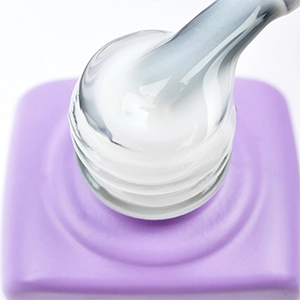
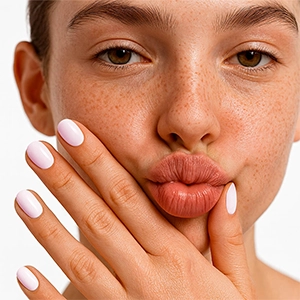
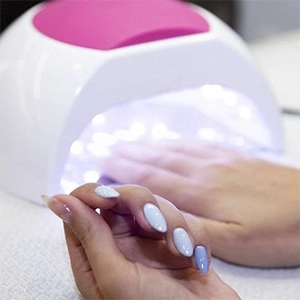
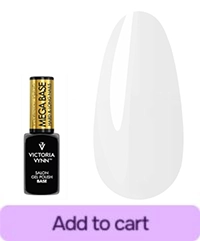
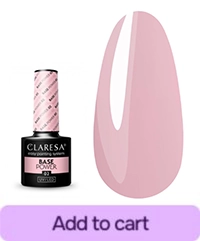
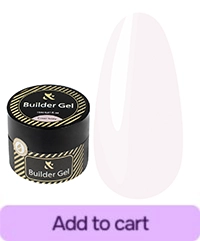
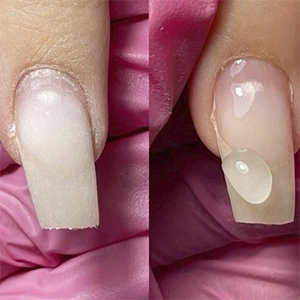
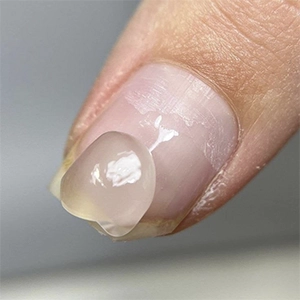
If leveling is needed, take a second drop of material. When it comes to how to apply base coat on nails using rubber bases, remember the drop rule: place it roughly in the center of the nail, distribute it closer to the cuticle (without crossing onto it), and then pull it toward the free edge, turning the client's hand over for a few seconds to create a perfect highlight. For those learning the basics and wanting to understand how to apply base coat without flooding the sides, the advice is simple: work with each finger sequentially, immediately curing in a mini-lamp so the material doesn't run into the lateral folds.
Lifting is a technician's worst nightmare. If you notice the material coming off at the free edge or near the cuticle, it's time to find the cause. The main answer to why the base coat lifts lies in poor degreasing or residual moisture. Natural oils or sweat appearing on the nail five minutes after degreasing completely destroy adhesion.
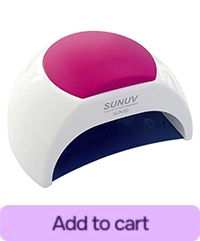
Another common issue is why the base lifts from the nail along the sides or in the stress zone. This happens due to anatomical features (for example, a client with hyperhidrosis—wet hands) or incorrect architecture, when a layer that is too heavy or thick is left on the free edge, bending along with the natural nail and cracking. If the base coat doesn't hold up on the nails, review your lamp's wattage and lifespan: diodes burn out over time, making polymerization incomplete.
Sometimes technicians complain about why the base coat cracks on nails. The cause might be choosing a material that is too rigid for soft nails, or conversely, a base that is too soft and cannot withstand the load on long nails, leading to cracks down the center.
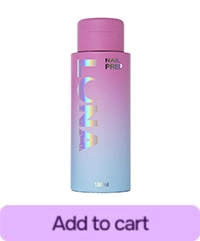
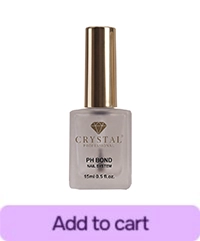
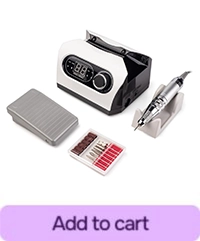

To ensure your work brings joy and the manicure holds flawlessly, follow these simple rules:
Additional tips for professional growth:
To build your ideal technician arsenal, we recommend visiting the Tufishop online store, where you will find professional manicure and pedicure supplies, modern gel polishes, high-quality SPA care for hand skin, as well as effective products for strengthening and nail treatment.
WhatsApp
+48 45 956 69 09
 How to use a promotional code
Enter the promotional code in the appropriate field before placing your order.