
Nail files: types, abrasiveness and technique
Nail files — why they are needed and how they differ
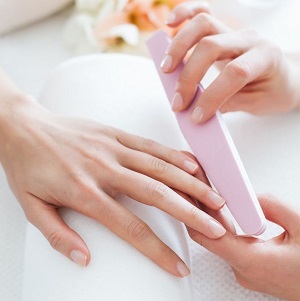
A tidy manicure does not start with polish or design. It starts much earlier — with shaping the nail itself. For this reason, a file for nails is one of the most essential tools in nail care. It helps control length, gently file the nail, remove sharp corners, and bring balance to the nail shape. When nails are shaped correctly, they look cleaner and are less likely to break or peel over time.
Today, files nail are produced in a wide variety of formats. They are not universal tools — each type is created for a specific purpose. Some are intended only for natural nails, while others are suitable for artificial surfaces. In everyday routines, cosmetic files are often chosen because they work softly and allow frequent adjustments without stress on the nail plate. More rigid manicure files are designed for heavier use and repeated procedures.
Using the right file reduces unnecessary pressure on the nail and makes the process more controlled. A well-made tool improves precision and allows you to achieve a neat appearance even without professional assistance.
Types and abrasiveness of nail files
A key feature that separates one nail file from another is its grit level. Abrasiveness determines how aggressively the surface interacts with the nail. Coarse options are commonly used at the beginning of a manicure when fast length reduction or major reshaping is required. These files are especially useful for thicker nails.
For refinement and finishing, fine-grit files are preferred. They smooth the edge and give the nail a polished, finished look. In salons, best nail files are selected for their durability and predictable performance. Hygiene standards have also influenced demand, making disposable files a practical and popular solution.
Files developed specifically for gel manicures form a separate group. They are designed to handle dense artificial materials and allow shape correction without damaging the base. Quality products retain their texture, do not crumble, and leave a smooth edge with no rough spots.
How to file nails correctly?
Even the most advanced tools require correct handling. To file nails properly, motion should remain consistent and move in one direction. Rapid back-and-forth filing weakens the nail structure and increases the risk of splitting.
The process usually begins at the sides, slowly moving toward the center. Excess pressure is unnecessary — good nail files are effective through technique rather than force. Maintaining the natural nail outline is also important, as drastic changes increase stress on the nail plate.
With regular care and correct technique, nails remain strong, visually neat, and easier to maintain between manicures.
How to choose a nail file?
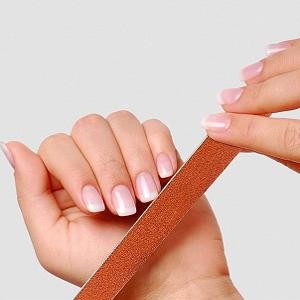
There is no single solution that works for everyone. Choosing a nail file depends on nail thickness, daily habits, and how often the tool will be used. For personal care, simple and versatile options are usually sufficient. For professional environments, long-lasting and reliable best nail files are essential.
Many people prefer to keep several files with different grit levels. This approach allows flexibility when working with natural nails or artificial coatings. Comfort during use also matters — shape, grip, and surface quality directly affect control and accuracy.
A thoughtfully selected tool reduces time spent on shaping and makes nail care safer and more efficient.
Where to buy a nail file?
Nail files and other manicure tools can be found in professional beauty stores as well as online platforms. Tufishop is one of the leading online destinations in the beauty industry. We offer products for home users and professionals alike, ship worldwide, and operate daily. Our consultants are always available to help you choose buffers, manicure tools, gel polishes, primers, and other beauty essentials.