


Liquid polygel — self-levelling material for strengthening and modelling nails
What is liquid polygel and what is it for?
Liquid polygel (also called “liquid polygel” or “liquid acrygel”) is a fluid modeling material that combines the strength of polygel with the convenience of a gel base. It is self-leveling: it spreads gently and forms an even light line (reflection), helping to reinforce the natural nail plate and build neat architecture without excess thickness.
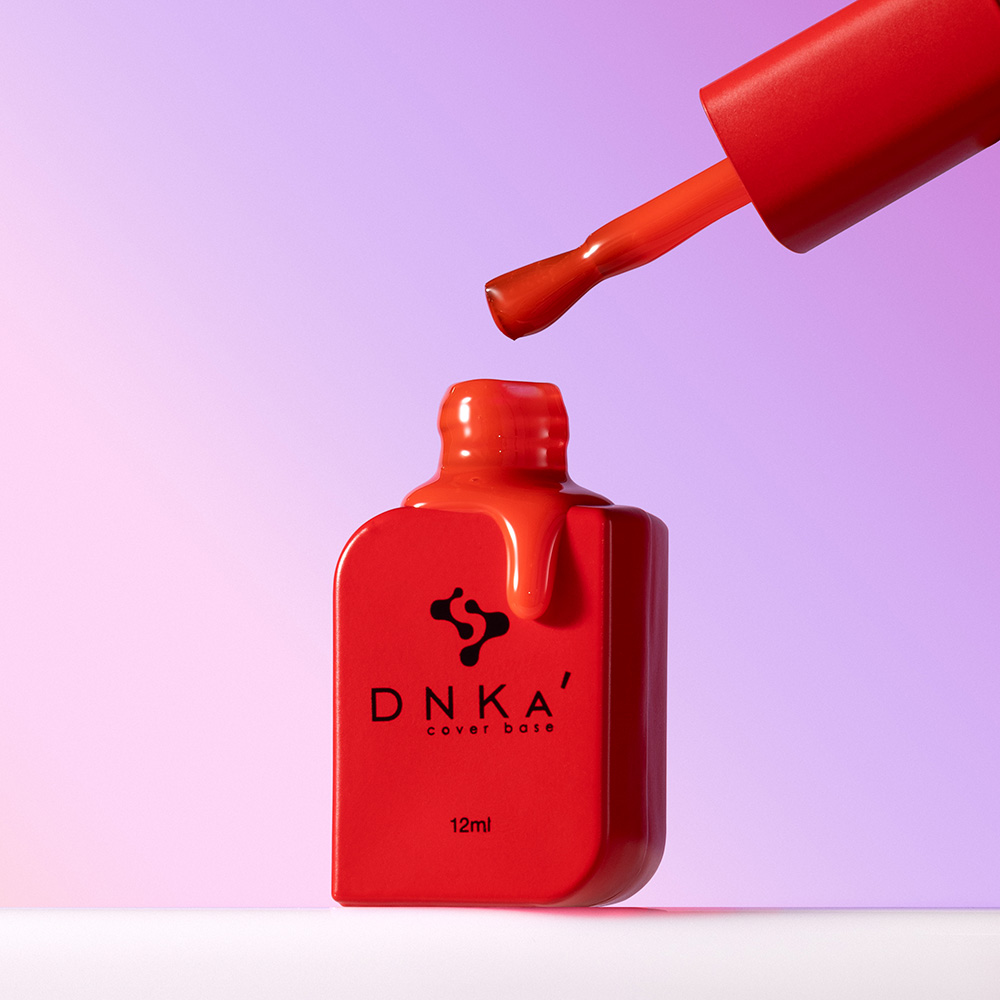
The liquid format is especially good when you need delicate leveling, crack repair, reinforcement of corners, correction of an uneven plate, or a thin underlay for design. For extreme length and complex shapes, a thicker product is usually chosen, while the liquid type is used as a strengthening and leveling layer.
How to use liquid polygel correctly?
It’s best to work with liquid polygel in thin layers: after preparing the nail, apply a base underlay, then distribute the product over the plate and add a small drop to the stress zone to build the apex. Give the product a few seconds to self-level, check the reflection, and only then cure; finish by lightly refining the surface if needed and sealing with top coat, making sure to cap the free edge.
Step-by-step application guide
- Prep: shape the nail, gently buff the surface, thoroughly remove dust, and dehydrate.
- Adhesion: apply a thin layer of base (or the recommended underlay), cure.
- Leveling: apply liquid polygel for nails thinly, then add a small drop in the stress zone and distribute with a brush, controlling the reflection and the thickness at the free edge.
- Polymerization: cure according to your lamp’s specs and the brand’s instructions; for sensitive nails, use a low-heat mode.
- Finish: light buff if necessary, then top coat and mandatory capping of the free edge.
Attention block: liquid polygel prefers thin layers. If you “over-pour” the product, a step appears at the cuticle and the architecture looks heavy — noticeable even under a solid color.
Common mistakes and how to avoid them
|
Mistake |
Why it happens |
How to fix |
|
Flooding at the cuticle |
too much product, poor brush control |
work thinly, leave 0.5–1 mm from the cuticle, pull product toward the center |
|
Flat shape |
no drop placed in the stress zone |
add a mini-drop and build the apex by the reflection without thickening the edges |
|
Lifting |
dust, pterygium, uncapped free edge |
clean prep + suitable base + sealing the free edge |
|
Overheating in the lamp |
thick layer, high power |
low-heat mode and/or 5–10 s flash cure, then full cure |
How to choose a good liquid polygel?
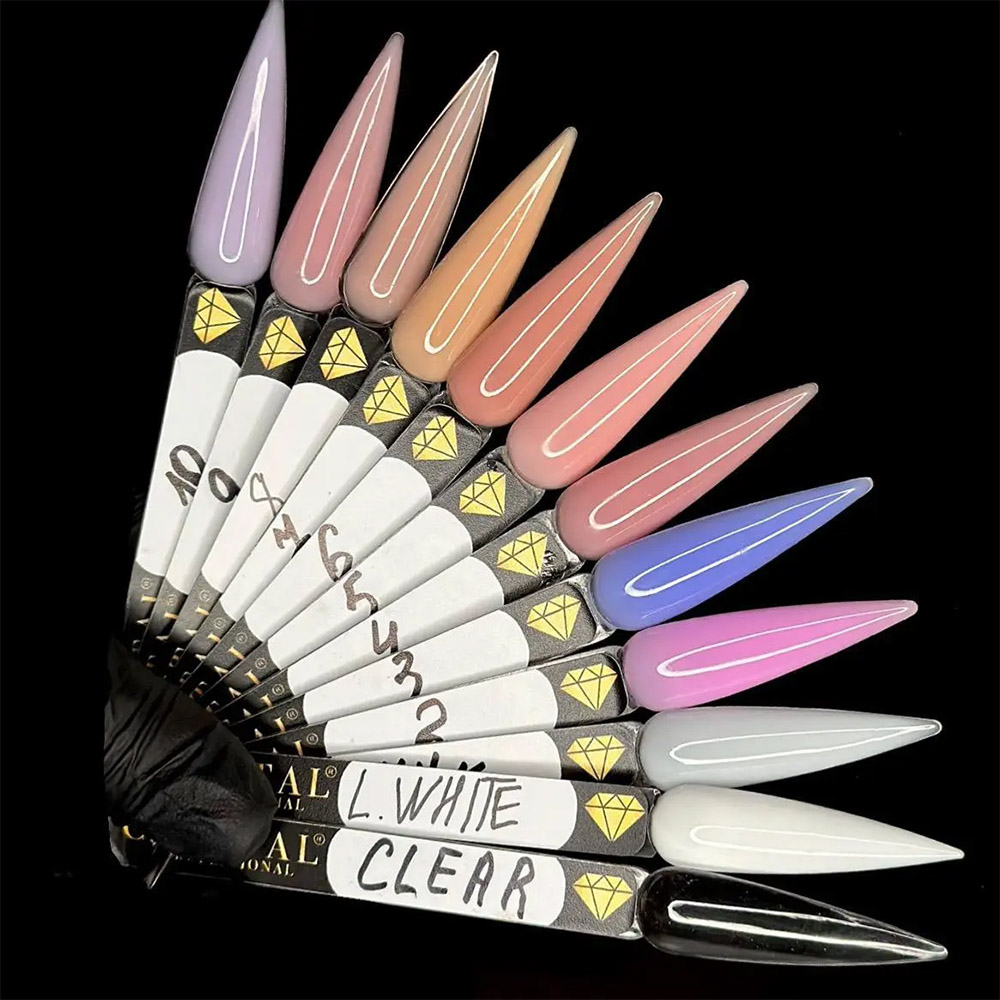
Evaluate three parameters: viscosity, self-leveling, and post-cure strength. The best liquid polygel for nails shouldn’t be “like water”: it should calmly flow into a smooth surface within a few seconds, yet not run onto the skin or expose the free edge. If you’re reinforcing soft, thin nails, choose a more elastic option; if you need more confident architecture and reinforced corners, a stronger, closer-to-builder format will work.
Also consider filing feel: some formulas cure to a harder surface and hold corners better, while others remain softer — choose for your length and load.
A short pre-purchase checklist: stable consistency, clear underlay recommendation, predictable curing in your lamp, tidy filing without crumbling.